
How you treat yourself truly sets the tone for every other relationship in your life. When you don’t know how to show up for yourself, you start outsourcing your emotional needs to other people.
Learning to be your own best friend doesn’t mean avoiding people. It means becoming whole enough inside that your life doesn’t fall apart emotionally whenever someone shifts, changes, or even lets you down.
Let me show you what that looks like in real life.
1. Learn To Sit With Yourself Without Escaping
Can you be alone with your thoughts? Not physically, but mentally? Most people reach for their phone or talk to someone else immediately when things go quiet because being alone with your thoughts can feel uncomfortable.
It isn’t because there is something wrong with you. It is because, for most of your life, you haven’t been allowed to just sit with yourself without escaping.
Learning to be your own best friend starts when you stop treating yourself like you cannot be alone. You realize that being alone does not equal loneliness. Loneliness is an emotional lack of connection. Being alone is simply being with yourself without distraction.
Notice how uncomfortable you may feel at first. Thoughts you would not usually acknowledge come to the surface. Emotions you would normally distract yourself from become apparent.
But leaning into those feelings is where your emotional strength begins.
The more you allow yourself to just be with yourself without feeling like you need to escape, the less you will seek external stimulation to feel good.
You will go for a walk by yourself and actually enjoy thinking. You will sit in your room and not feel anxious. You can sit with your emotions without having to constantly distract yourself.
This is emotional independence.
When you know how to be with yourself, your emotions become less reactive.
Read also: 15 Ways to do What Makes you Happy
2. Change How You Talk To Yourself Internally

Never underestimate the negative effect your inner dialogue has on your quality of life. Most people are far too hard on themselves internally than they would ever be on someone they care about.
I cannot count how many times I have heard someone bombard themselves with insults and emotional punishment they would never accept from anyone else.
When you make a mistake, your inner voice takes over and immediately distorts your self view.
Instead of encouraging yourself to do better next time, you explode with frustration at the smallest errors. Everything you do not do perfectly becomes evidence of failure.
How you talk to yourself becomes your inner soundtrack on repeat all day.
Learning how to be your own best friend requires changing that internal narrative. Not by pretending your mistakes do not matter, but by refusing to allow your mistakes to define you.
You learn how to correct yourself without insults. Instead of attacking your self worth, you call out what you did wrong and how you can improve. You tell yourself, “That was not handled very well, but I can do better,” instead of, “I always mess everything up.”
This may feel small, but your internal dialogue literally sets the environment for your mindset. How you speak to yourself becomes the default for your confidence levels.
Replace that habit by choosing to support yourself internally, and you learn what self respect feels like.
Read also: 8 Simple Ways to Make Yourself Feel Happy
3. Stop Betraying Yourself To Please Others
Have you ever changed how you acted or spoke to someone just to avoid conflict or avoid upsetting them? We all do it from time to time. But what happens when you start doing this too much?
You begin lying to yourself to avoid losing approval.
You say you are “fine” when you are clearly not.
You agree to things you do not want to do because someone else wants it.
Bit by bit, you start losing touch with what you actually want, feel, or believe.
Learning to be your own best friend means you stop lying to yourself to please someone else. You understand that when you say yes but mean no, you are not showing kindness. You are showing that you are disconnected from yourself.
And the longer this continues, the farther you drift from your own emotional reality.
Learning how to maintain boundaries does not mean you become distant. It means you include yourself in your decisions instead of abandoning your own needs.
Empathy for others is important, but you cannot offer it if you have none for yourself.
This is self care with boundaries.
When you learn to be honest with yourself first, your confidence becomes quieter and stronger.
Read also: 30 Solo Travel Essentials That Will Make Traveling Alone Easier
4. Build Habits That Serve You When Nobody’s Looking
Would you show up for a friend who only tries when people are watching? Of course not. You want friends who are consistent whether anyone is watching or not. The same applies to being your own best friend.
Far too many people live on emotion or motivation. They wait until they feel like it instead of practicing discipline when they do not.
Building good habits comes from showing up whether you feel like it or not. And most days, you will not feel like it.
You have to build good habits while you are bored, unmotivated, tired, or discouraged.
But when you do, something powerful happens.
Small commitments lead to self trust, which builds discipline.
Your future self benefits from every small action you choose today.
5. Stop Letting Your Past Define You
Most people are not damaged by what happened to them. They are shaped by the stories they repeatedly tell themselves about what happened.
The past becomes a script that convinces you nothing will change.
“I always…”
“I used to…”
“Nobody will ever…”
These are examples of the past controlling your present mindset.
Letting go of your past means recognizing that the story you are telling yourself is not a fact. It is a belief built from experience, not destiny.
Once you realize your past pain is something you went through and not who you are, you stop giving it power over your present life.
It does not mean forgetting. It means refusing to let it define your identity.
When you stop punishing yourself for yesterday, you become emotionally available for today.
6. Become The Person You Needed When You Were Struggling
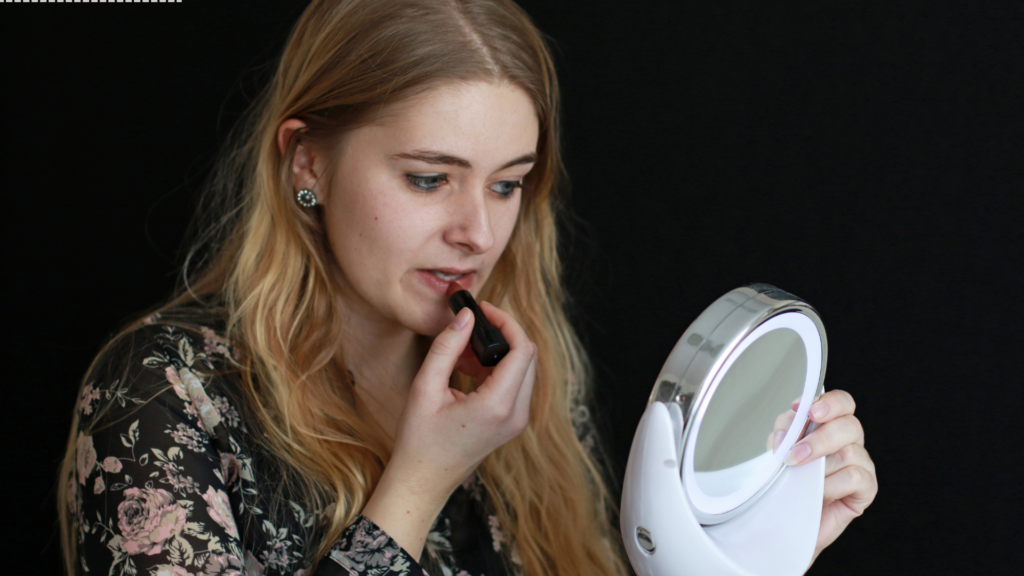
If you truly want to be your own best friend, this is the foundation.
Most emotional struggle comes from not knowing how to support yourself internally.
How many times have you wanted someone to talk to, but no one was available?
You were left alone with your emotions and did not know how to handle them.
Instead of processing them, you numbed them or avoided them.
Learning to be there for yourself comes down to a simple realization:
You are enough as you are.
You do not need external validation to feel worthy or okay. You can feel sadness, disappointment, or frustration without abandoning yourself emotionally.
It does not mean you never reach out for support. It means you are not dependent on others to regulate your emotional state.
You can enjoy people without needing them to complete you.
Conclusion
Being your own best friend is not a theory. It is a daily practice.
It is choosing to sit with yourself instead of escaping.
It is choosing self respect over self criticism.
It is choosing consistency even when no one is watching.
It is choosing boundaries that protect your emotional well being.
It is choosing to release the past instead of living inside it.
It is choosing to comfort yourself instead of abandoning yourself.
You are enough.
FAQ
What does it mean to be your own best friend?
It means building a relationship with yourself based on support, honesty, discipline, and compassion.
Why is it so difficult to be your own best friend?
Because it requires breaking long standing habits of external validation and emotional dependence.
How do I start learning to trust myself?
Start small. Make a promise to yourself and keep it. Build self trust through consistent actions.
If I become my own best friend, do I still need other people?
Yes. Emotional independence means you do not depend on others for your sense of worth or stability.
What is the quickest way to improve your relationship with yourself?
Change your inner dialogue. Speak to yourself with the same kindness you would offer someone you care about.
Save the pin for later