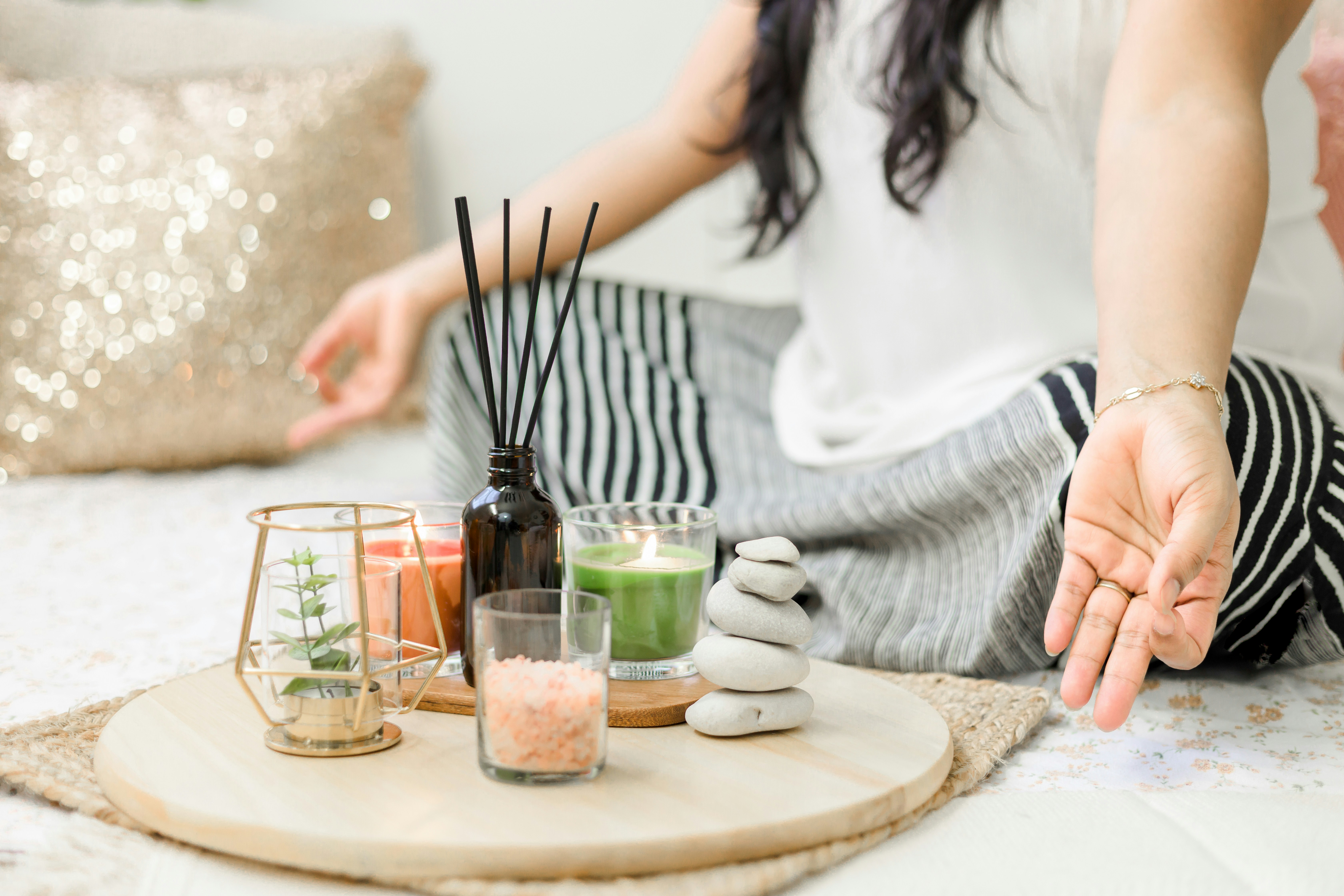

Life speeds up. Your mind starts spinning. You feel anxious, tense, mentally cloudy. When life gets like that, it can help to take a day off. Sometimes, though, you don’t have time to schedule a mental health day. You just need five minutes.
Five minutes to collect yourself. To breathe. To reconnect. Meditation is the practice of slowing down your body and mind to find yourself in the present moment. But what if you only have five minutes?
Maybe you believe meditation is something you can only do if you have hours to sit in silence each day. Let me bust that myth for you. Meditation can be short and easy while still reaping incredible benefits. All you have to do is breathe and be kind to yourself through the process.
Below, we’ll walk through a quick and powerful meditation you can do anytime, anywhere. It’ll take five minutes, but you don’t need anything to do it—only to sit quietly for five minutes.
How Does a 5-Minute Meditation Work?
“But five minutes isn’t long enough!” Relax. A meditation is only as long as you allow it to be. Practically speaking, when your mind races, taking a few moments to step outside of your thoughts can be incredibly refreshing.
Typically, your mind jumps from task to task. What do I have to do next? Why did I say that yesterday? It’s hurry-up-and-go in there! All of that thinking causes you stress and fatigue. Meditation allows you to press pause.
When you meditate, you slow your breathing. Your heart rate slows. You begin to move from fight-or-flight mode to relaxation mode. And it’s in that state of relaxation your body lets go and your mind clears. You’ll feel sharper and more centered…even after only spending five minutes by yourself.
Harvard studies have even shown that short bursts of mindfulness can reduce stress, increase focus, and help you feel more aware of your emotions—something Harvard Health also highlights. The longer you practice, the more benefits you’ll gain, sure. But even just five minutes of meditation can change your day.
Five-Minute Meditation for Beginners
Now you know what it can do, let’s show you how to do it. This is a simple meditation routine for beginners:
You don’t need to be an expert. You’re not trying to perfect anything here—just allow it to happen.
Step 1: Sit Somewhere Quiet Where You Can Relax
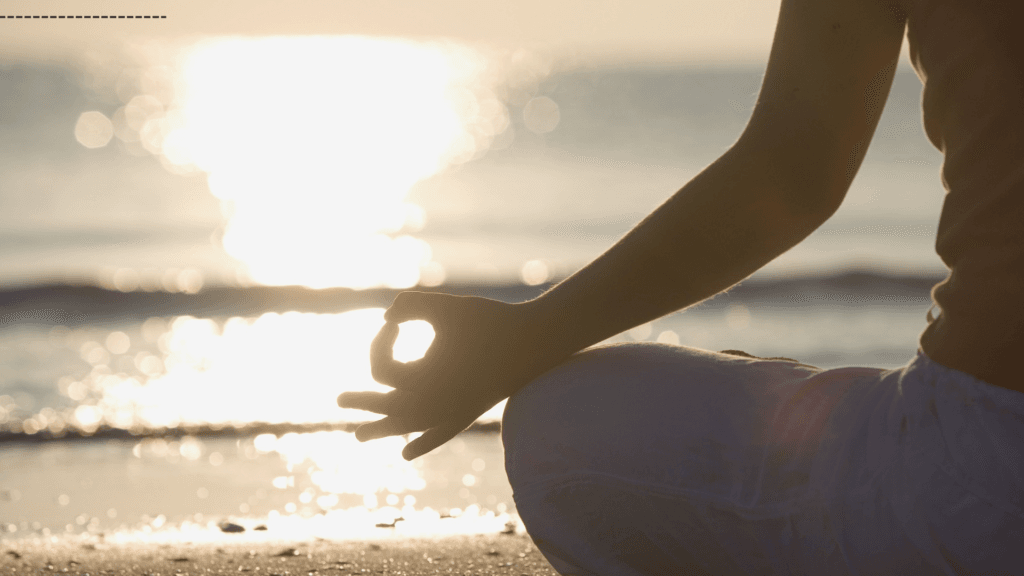
Find a place where you know you won’t be disturbed for at least five minutes. Maybe that’s your bedroom, your office, or even the bathroom. Get comfortable. Sit on a chair or cross-legged on the floor.
Allow your hands to rest easily in your lap. Straighten your spine, but don’t stiffen up. Relax your shoulders.
Read: 25 Instant Mood Boosters to Brighten Your Day
Step 2: Close Your Eyes & Take a Deep Breath
Inhale slowly through your nose. Exhale slowly through your mouth. Allow your breathing to return to normal. Don’t try to control it.
Step 3: Pay Attention to Your Breath
Feel your breath enter through your nose, throat, or stomach. Feel it fill your lungs…and let it out. Hang on your inhale… and your exhale. Observe it without trying to change it.
Thoughts will come. Welcome them and then let them pass. When you realize you’re no longer focusing on your breath, gently return to the feeling of it entering and exiting your body. Return… return… return. That is all this meditation is.
Read: 8 Surprising Benefits of Meditation That Can Transform Your Life
Step 4: Repeat a Quiet Mantra
To keep your mind focused, you can try repeating a mantra. As you inhale, quietly repeat the word “in.” As you exhale, quietly repeat the word “out.” It’s something simple for your mind to focus on.
Step 5: Scan Your Body & Release Tension
As you breathe in, mentally scan your body starting at your head and ending at your toes. Do you feel any tension in your forehead, jaw, shoulders, back, or legs? As you exhale, mentally “surrender” that tension and let it go. Don’t try to force relaxation—you’ll fall deeper into it naturally.
Step 6: Finish Up & Reenter Your Day
When five minutes is up, take one more deep breath and exhale. Wiggle your fingers and toes. Open your eyes. Take a moment to adjust. How do you feel? Even if you don’t feel “different,” you did your mind and body a favor by taking five minutes to yourself.
When Can I Do This?

You can do this in the morning, at night, or anytime you feel the need to reconnect with yourself. There’s no right or wrong time to meditate. Honestly, the more you practice, the easier it will be to pop in a quick session whenever you need it.
Feel free to set a silent timer if you hate having to check the clock. Or you can stay past five minutes. Three minutes of meditation is better than none. It’s entirely up to you.
As you build the habit of daily meditation, don’t stress about the rules. Show up for yourself.
Can I Make Meditation a Daily Habit?
Meditating for five minutes will feel weird at first. It’s normal to feel antsy or bored. But the more you sit with yourself, the easier it becomes. Soon, you might even look forward to your meditation time each day.
To start, try meditating daily. Pick a time you know you can make happen—after you brush your teeth or right before lunch. When you’re comfortable, you can work up to more than five minutes or meditate twice a day. Don’t pressure yourself, though. That’s not the point.
Consistency is more important than length of time. Meditation some days will feel easy. Other days your mind will race. And that’s okay! Meditation isn’t about having no thoughts. It’s about recognizing your thoughts and finding peace amidst the chaos—something the American Psychological Association also discusses in its overview of meditation and mindfulness.
Why We Love This Meditation
There are countless meditation techniques out there. Some use guided sounds, focus on physical sensations, or even visualize scenes or images. This meditation uses the breath and awareness of self to relax your body and mind. It’s minimal. Tiny enough to fit into your day whenever you need it. And it requires no fancy tools or previous meditation experience.
You can even expand your practice by lighting candles or playing soft music. But don’t worry about that now. Let this meditation be simple.
You are learning how to check in with yourself. To become aware of your thoughts and breath—and to let them go. You can use these techniques anytime, not just during meditation.
Begin Now. One Breath at a Time.
There’s no need to wait until you’re stressed or rushed to start this practice. Start meditating when you’re curious and wanting to learn. Allow yourself five minutes of quiet reflection. That tiny intention you put into your day might make all other moments feel different.
Life isn’t going to slow down. But for five minutes, you can press pause. You can breathe deeply and reconnect to who you are beneath the hustling mind. Allow something beautiful to blossom in that tiny pocket of peace.
FAQ
Is five minutes really enough to meditate?
Yes. Even a few moments to step outside of your thoughts can feel refreshing, and even just five minutes of meditation can change your day.
What if my mind won’t stop racing during meditation?
That’s okay. Thoughts will come. Welcome them and then let them pass, and gently return to your breath.
Do I need a special setup or tools to do this meditation?
No. You don’t need anything to do it—only to sit quietly for five minutes.
When is the best time to do a five-minute meditation?
Anytime—morning, night, or whenever you feel the need to reconnect with yourself.
Save the pin for later