
The easiest way to learn about someone’s daily routine? Stalk them around mealtimes.
When school isn’t in session, there’s less structure. Breakfast gets pushed back. Lunch is whatever is on hand. Snacks magically appear when your kid mentions being hungry. School starts again. Suddenly, you have to pack lunches and make everything fit on a schedule.
That’s also when many parents realize they’re not just packing lunches. They’re teaching their kids how to eat during a busy school year. And honestly, that’s harder than it sounds. You know what good food looks like. Getting your kid to willingly choose it is a different story altogether.
I’ve seen parents start down a path of guilt and frustration when it comes to feeding their children. There’s pressure to make the “right” choices, and the more you pressure your child, the more they might resist. Rather than making healthy eating another battleground, use the back to school season as a time to teach your kids how to choose better without taking the joy out of eating.
Your kid does not need to eat perfectly. Children don’t need perfect diets, just like adults don’t. What kids need are healthy habits around food. They need to learn how to consistently make nutritious choices and have parents who model that behavior.
Here are six tips to help you do just that.
6 Ways to Help Your Kids Eat Healthier
1. Start Before School Even Begins
Way too many parents wait until the week before school starts to “do better” at lunch packing. By then, your child is already overwhelmed with earlier wake up times, homework, new teachers, bus rides, and changes to their daily routine. Adding a complete overhaul of their diet will meet massive resistance.
Instead, start before school starts. Ease into the new breakfast times. Plan consistent meal and snack times. Begin introducing foods you’ll pack for school lunches.
Give your child time to get used to the new routine gradually. You can also use the last few weeks of summer break to explain why food is important.
Don’t lecture. Tell your child that certain foods can help them stay full longer, have more energy, focus better in school, grow strong, and play hard. Children are more willing to learn a lesson when they understand why it matters.
Make Healthy Food Part of the Normal Routine
Healthy food shouldn’t be something different or something they eat because Mom and Dad “finally decided to be healthy.” Make fruits and veggies, whole grains, protein, and other healthy foods a normal part of everyday meals. Don’t stress or make every meal a discussion.
You may need to introduce a food multiple times before your child decides they like it. That’s perfectly okay. Just because your child refuses broccoli once doesn’t mean you need to ban broccoli from your house. Continue offering it with other meals they enjoy without making a big deal about it.
This also ties into having healthy eating habits. Focus on the overall meal rather than one specific food. Teach your child how meals should work. Help them understand what hunger and fullness feels like. Show them how to try new foods and how to create a balanced meal. Learning these skills is more important than convincing your preschooler to love Brussels sprouts.
Read also: 65 Back to School Questions for Teens to Spark Real Conversations

2. Let Your Kids Have Some Control
Kids tend to care more about things when they feel like they have a say in what happens. You’re not giving your child total control over the family dinner menu. But you can offer them age appropriate choices that allow them to feel involved.
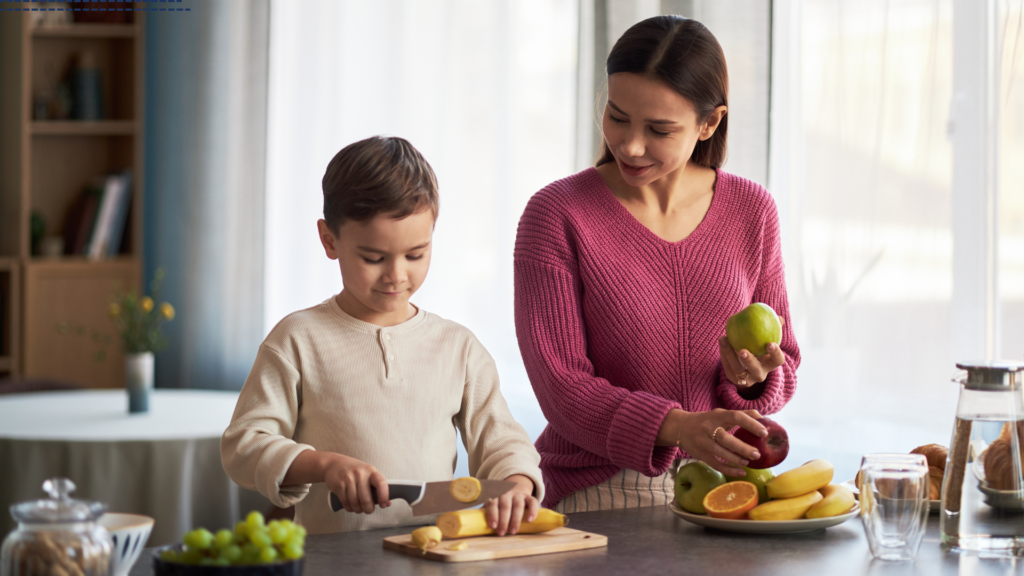
Take your child with you food shopping. Let them pick between two fruit options for the week. Ask them if they want carrots or cucumbers with their lunch. Let your child choose a yogurt flavor. Give them opportunities to wash produce, help mix ingredients, or pack their own lunch. Older kids can help prepare simple meals or at least assemble their own lunch.
This works great during back to school time because packing lunch can turn into a battleground. You’re doing everything while your kid complains about what you packed. Allow them to be involved with the process.
Kids are naturally more curious about food when they help prepare it. You may still have a picky eater on your hands, but they’ll be less likely to reject everything you make.
Read also: 10 Best Back to School Ideas for Kids to Start the School Year Right
3. Teach Your Kids About Balanced Meals
“How do I know what ‘eating healthy’ looks like?” I hear you ask.
“Eat healthy” is not specific enough for a child. They might not have a clue what that means. If you want your child to make better choices on their own, teach them what a balanced meal contains in an age appropriate way they can understand.
Tell your child that all foods provide the body with energy, but certain foods also contain nutrients like protein, fiber, vitamins, and minerals. Keep it simple. Use meals as examples. A sandwich offers grains and protein while fruit gives them more nutrients. Add a dairy food or alternative and you have a balanced meal.
The age of your child also comes into play. Young kids need easy explanations and visual examples. Elementary age children can start to learn about balanced meals, food groups, and how certain foods help our bodies.
The more they learn about nutrition, the more questions they may have. Teach them. Answer their questions and guide them without overwhelming your child with too much information.
Lastly, don’t make your child feel guilty for eating sweets. Part of teaching your child balance is allowing them to understand that cookies, candy, and favorite snacks can be fit into their overall eating pattern. Moderation is key.
Use Their Lunchbox to Reinforce Learning
Packing lunch is the perfect time to put these lessons to use without turning lunchtime into a classroom.
When creating your child’s lunch, think about including foods that all work together to provide variety. Instead of packing 3 fruit items, mix it up with fruits, vegetables, dairy or dairy alternatives, and healthy snacks.
Remember to let your child choose their items. Let them pick the fruit, choose the protein, and select the snack. Rotate the options based on your child’s preferences and what you have available. You’re not trying to create the picture perfect lunchbox every day.
As your child gets older, have them start identifying what’s in their lunch. Ask simple questions like, “What fruit did you choose?” or “What foods will help you stay full until soccer practice?”
You want your child to start thinking about how each meal fits together instead of blindly listening to you.
Read also: 50 Would You Rather Questions for Adults (No Kid Stuff!)
4. Stop Making Vegetables the Enemy
Does this mealtime conversation sound familiar to you?
You serve your child a meal with vegetables on it. They pick at the food, moving the veggies around their plate. You ask your child to take one bite of their vegetable.
“No.”
“You have to eat your veggies!”
“You don’t make me do anything!”
Sound about right?
Quit letting vegetables control your life.
Serve veggies with meals, but don’t force your child to eat them. They may refuse cauliflower but happily eat roasted carrots. Your child might turn their nose up at green beans but eat them blended into a soup. Your child may not like tomatoes by themselves but love tomato sauce on pasta.
Don’t give up if your child turns their head up at a new food. Continuously offer a variety of foods without forcing them to eat something they hate. Pressure leads to mental associations with food.
Present Vegetables in a Kid Friendly Way
How you serve vegetables can make a big difference. Cut foods into shapes, add color to their plate, serve small portions, and let your kids dip vegetables into a sauce they enjoy.
Kids can help prepare meals, too. Allow your child to wash fruit and veggies, arrange their plate, stir sauces, or decide which vegetable goes into the dinner you’re making. Kids become less intimidated by food when they help prepare it.
Lastly, let your kids see you eat vegetables without complaining. Parents say “they HAVE to eat this” all while avoiding nutritious foods themselves. Watch what you say.
Children learn by example. Let them see you enjoy various foods without preaching to them about healthy eating.
5. Teach Kids to Listen to Their Bodies
One skill you should teach your child is how to listen to their body. All kids feel hungry and full, but many adults shatter these instincts by forcing kids to clean their plate. Some parents even use food as a reward.
Guide your child without making them completely responsible for their dietary needs. Teach them to ask themselves if they’re hungry before eating. Are they hungry? Will they feel too full after eating this plate of food?
When your child asks if they can leave food on their plate, ask them if they are still hungry instead of automatically telling them they need to eat it. Give your child a chance to listen to their body.
You should also teach kids how to eat slowly enough that they realize when they are full.
Teaching your child about their hunger and fullness doesn’t mean they should eat cupcakes for breakfast. You’re teaching them how to learn their body’s signals while providing age appropriate guidance.
Avoid Using Food as Reward or Punishment
“I’ll give you dessert if you clean your plate.”
Stop doing it. Seriously.
Using food as a reward conditions your child to view certain foods as better than others. Dessert suddenly becomes something they need to earn rather than a food to eat once in a while. Healthy foods are no longer enjoyable, they’re a punishment.
Serve dessert when you want to and stop telling your child they “earned” it by eating their vegetables. Don’t use food to punish your kids, either.
Again, you’re a parent. Not perfect. So you will have days where you resort to food rewards. Just don’t make it a consistent thing. Create an environment where most meals are about nourishment, enjoyment, and family vs using food to try and train your kids.

6. Set a Good Example
Kids watch everything you do. You can lecture them about eating healthy until you’re blue in the face. But if your kids see you skip breakfast every morning, eat packaged snacks for lunch, drink sugary drinks all day, and insult your own body, they’re listening to you.
This doesn’t mean you have to be a perfect eater. Your kids don’t need you to cook gourmet meals every night or banish sweets from your life. Just don’t do anything you wouldn’t want your kids to learn.
Sit down with your children for meals when you can. Let them see you enjoy all food groups. Talk about how food fuels your body and keeps you healthy. Don’t discuss weight or body image in front of your kids.
Starting healthy habits before school makes it easier to create a routine your entire family follows. Kids will see everyone eating breakfast, packing lunch, choosing healthy snacks, and sitting down to eat meals together. It becomes part of your family culture.
Family Meals Help Kids Learn About Food
Family meals don’t mean you have to eat seven nights a week. Try to have a few meals a week where everyone sits down together. Turn off the TV, put away your phones, and connect with each other.
Family meals allow your child to see how others eat. They listen to you talk about your food. They learn about nutrition without being forced to listen to a lecture.
Family meals can also help children learn about food without pressure. They see you pour milk into a bowl of cereal rather than eating it from the container. You eat an apple instead of pouring yourself a bowl of sugar crystals.
Family meals aren’t just about nutrition. They’re about connection.
A child that associates eating with togetherness is more likely to have a positive relationship with food than a child who sees every meal as a battle.
Make Healthy Choices Easy During Crazy School Mornings
Between trying to find shoes that actually match, getting kids dressed, packing lunches, preparing breakfast, anything can seem rushed. Don’t let breakfast be an afterthought.
Prepare whatever you can the night before. Cut up fruits and veggies. Prep ingredients. Plan easy meals that your kids can grab and go. Pack lunches tonight so you’re not frantically searching for spoons or lunchbox liners in the morning.
Stock your pantry with healthy breakfast options. Tell your kids to grab something for themselves when they wake up. Make healthy snacks visible and accessible. If healthy food is convenient, your kids will grab it.
Create a Balance Your Kids Will Understand
There’s no perfect diet for kids. Every family is different based on culture, dietary needs, and preference. Learn what works for your family and stay consistent.
Try to keep nutritious foods a regular part of every meal. Cook fresh meals when you can, but don’t get discouraged if you have cereal for dinner one night. It happens.
Keep offering a variety of foods without forcing them to eat something they hate. As your child gets older, explain why you offer new foods. Share with them what you’ve learned about nutrition. Answer questions without overwhelming them.
Most importantly, lead by example and don’t give up. Children take time to learn, and change doesn’t happen overnight.
Your goal isn’t to control every snack or meal your child eats for the next 18 years. Teach them how to eat balanced meals, encourage variety, and learn about nutrition. Show them by example that healthy food choices are normal.
Back to school season is the perfect time to start building these habits. Your consistency now can teach your children lessons that will last way past this school year.
Save the pin for later