
I have noticed that getting children ready for school can feel like a race against the clock. There are shoes to find, bags to pack, homework to remember, and somehow, lunch still needs to be figured out before everyone heads out the door.
I have also noticed something else: children can be surprisingly particular about what goes into that lunchbox. A meal that looks perfectly reasonable to an adult can come home untouched because the sandwich was “wrong,” the fruit was cut differently, or your child simply decided they did not feel like eating it that day.
That is why having a collection of simple school lunch ideas for kids can make such a difference. You do not need to prepare complicated meals every morning. You need dependable ideas that are easy to assemble, familiar enough for your child to enjoy, and flexible enough to fit your family’s schedule.
The goal is not to create a picture-perfect lunchbox every day. It is to make school mornings easier while giving your child something they can look forward to eating.
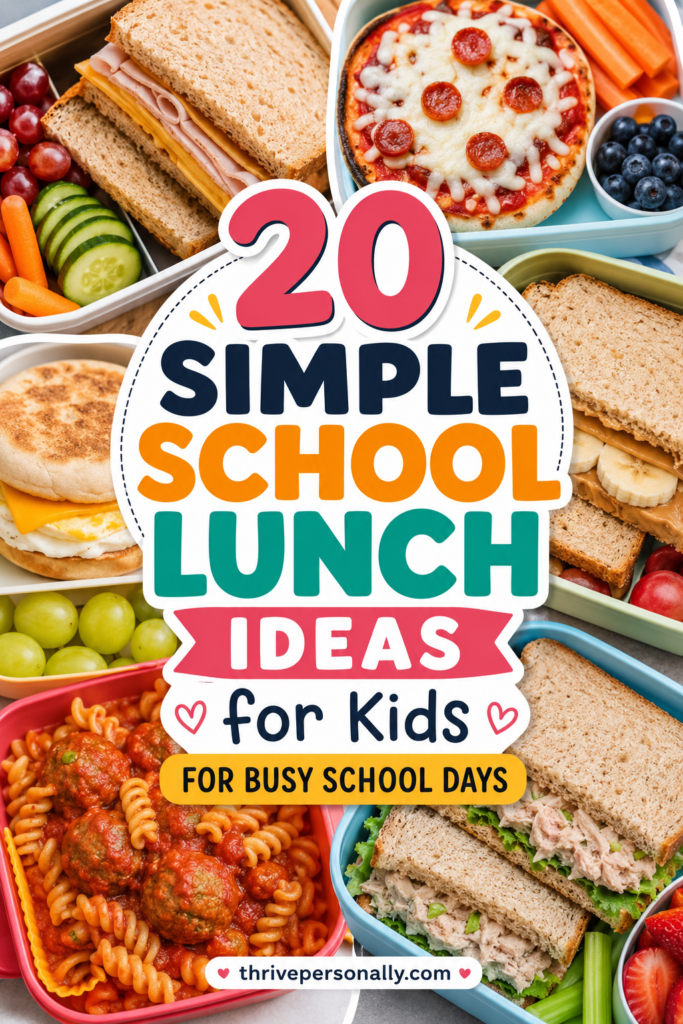
20 Simple School Lunch Ideas for Kids
1. Turkey and Cheese Sandwich Box
A turkey and cheese sandwich is one of those lunches that does not require much explanation. It is familiar, easy to customize, and can be prepared quickly when you are running behind in the morning.
Use your child’s favorite bread, add sliced turkey and cheese, and cut the sandwich into halves, triangles, squares, or fun shapes. Serve it with fruit and a simple side such as cucumber slices, crackers, or a small yogurt.
The beauty of this lunch is its flexibility. If your child does not like turkey, swap it for another deli meat. If they prefer a different cheese, use that instead. You can also leave out ingredients your child does not enjoy rather than forcing a complicated sandwich.
2. Chicken Wrap With Fresh Fruit
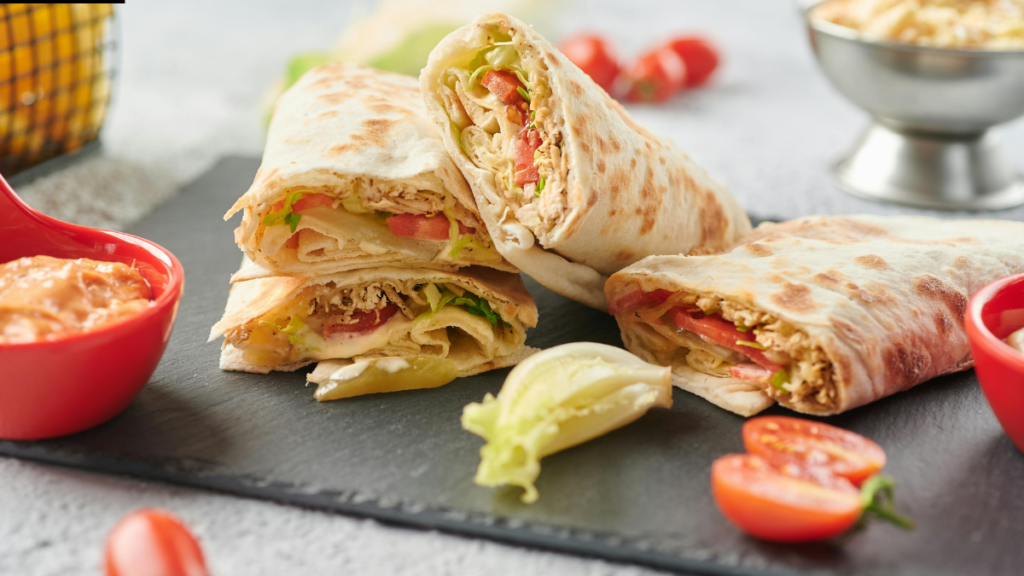
Wraps can be a great alternative when your child is tired of ordinary sandwiches. They are also useful for using leftover cooked chicken from dinner.
Place shredded or sliced chicken inside a tortilla with cheese and any vegetables your child enjoys. Roll it tightly and cut it into smaller pieces that are easy for little hands to eat.
Add a serving of grapes, apple slices, berries, or another favorite fruit. If you are preparing the lunch the night before, keep particularly wet ingredients separate when necessary so the tortilla does not become soggy.
Read also: 10 Best Back to School Ideas for Kids to Start the School Year Right
3. Pasta Salad Lunch Box
Pasta salad can turn leftover pasta into an entirely different school lunch.
Cooked pasta can be combined with ingredients your child already likes, such as cheese cubes, chicken, corn, peas, cucumber, or chopped vegetables. You can keep the dressing very simple or serve it separately if your child prefers plain pasta.
This is also an easy lunch to prepare in advance. Make a larger batch during dinner preparation, save some for the next day, and portion it into the lunchbox once it has cooled properly.
4. Homemade Pizza Lunch
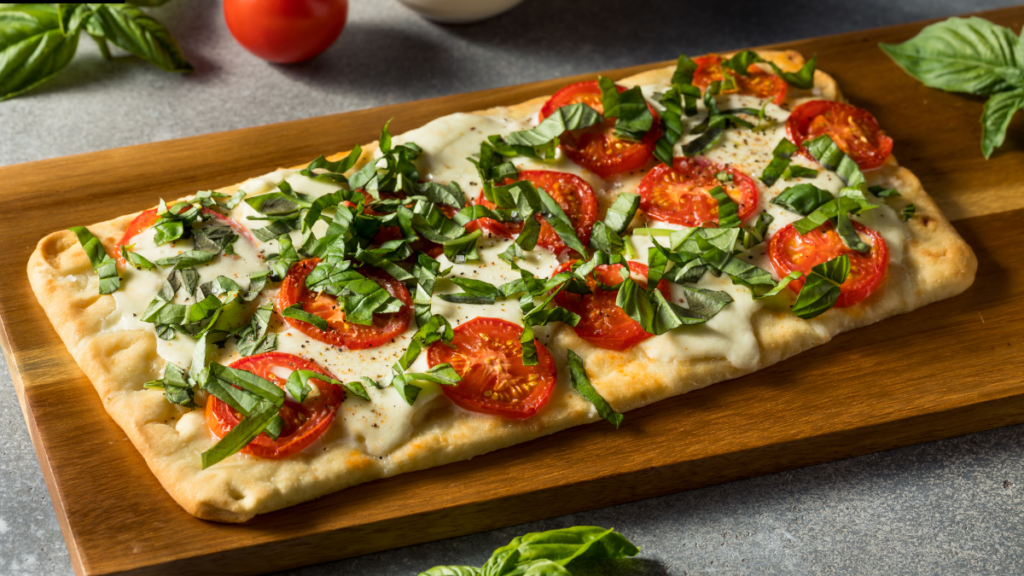
If your child loves pizza, you do not necessarily have to send a hot slice of pizza to school.
Make mini pizza sandwiches using bread, English muffins, pita bread, or another suitable base. Add pizza sauce, cheese, and a topping your child enjoys. Depending on your school’s lunch arrangements, you can pack it cold or use an appropriate insulated container to keep food at a safe temperature.
You can also turn this into a fun lunchbox combination by adding fruit and a small crunchy side.
The familiar pizza flavor can make this a particularly appealing option for children who are sometimes hesitant about trying new lunches.
Read also: 10 Back to School Ideas Preschool Parents Need to Try This Year
5. Peanut Butter and Banana Sandwich
A peanut butter and banana sandwich is simple, filling, and quick to assemble. However, always check your school’s allergy policy before packing peanut products because some schools do not allow them.
Spread peanut butter on bread and add banana slices. You can leave it as a sandwich or cut it into smaller pieces for younger children.
If peanut butter is not suitable for your child’s school, consider using an approved alternative such as sunflower seed spread if it works for your family and your school’s rules.
Add berries, apple slices, or another fruit to complete the lunch.
6. Chicken and Rice Bowl
A lunchbox does not have to contain a sandwich.
If your child enjoys rice, a simple chicken and rice bowl can make a practical school lunch. Use leftover cooked rice and chicken, then add vegetables your child is comfortable eating.
You can prepare the components during dinner and set aside a portion for the next day’s lunch. This can save you valuable time in the morning.
For younger children, make sure the food is cut into appropriately sized pieces and packed in a container that is easy for them to open independently.
Read also: 65 Back to School Questions for Teens to Spark Real Conversations
7. Cheese and Crackers Lunch Box
Some children prefer lunches where everything is separate rather than mixed together. A cheese and crackers lunch box works well for that kind of eater.
Add cheese cubes or slices, crackers, fruit, and one or two other familiar foods. You might include cucumber slices, cooked chicken, yogurt, or another snack your child enjoys.
This style of lunch also gives children some control over what they eat. Instead of one large meal, they can choose which component they want first.
You can make it more interesting by using different shapes of crackers or cutting cheese into fun shapes with a small food cutter.
8. Mini Sandwich Lunch Box
A large sandwich can sometimes feel like too much food for a young child. Making several mini sandwiches can make lunch feel more manageable.
Use small pieces of bread and fill them with ingredients your child already likes. You could make mini cheese sandwiches, chicken sandwiches, turkey sandwiches, or another combination that works for your family.
Add fruit and a crunchy side, and you have a complete-looking lunch without spending much time preparing it.
Mini sandwiches are also useful when you are packing lunch for children who prefer to eat small amounts at a time.
9. Quesadilla With Fruit
Quesadillas are another excellent way to turn a few simple ingredients into a school lunch.
Place cheese between two tortillas and cook until the cheese melts. Once cooled enough for packing, cut the quesadilla into triangles or strips.
You can add cooked chicken or another filling if your child enjoys it. Keep the ingredients simple if your child prefers familiar flavors.
Serve the quesadilla with fruit and perhaps a small vegetable or crunchy side. If your child likes dipping sauces, you can pack an appropriate amount separately.
10. Leftover Dinner Lunch
One of the smartest school lunch ideas for busy parents is to stop thinking of lunch and dinner as completely separate meals.
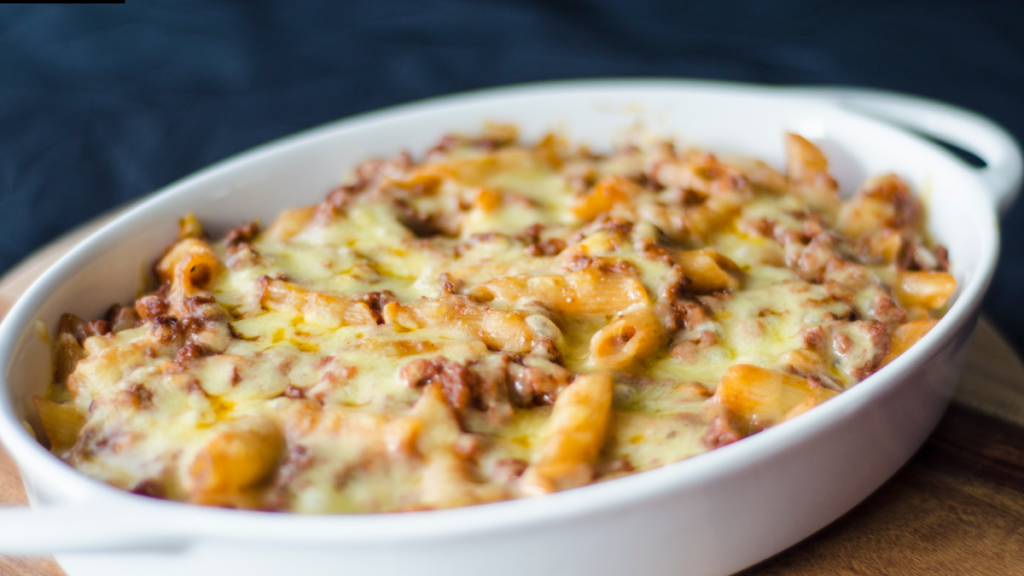
If you made something your child enjoyed at dinner, save a portion for the next day’s lunch. Leftover chicken, pasta, rice dishes, meatballs, roasted vegetables, or other suitable meals can become convenient lunchbox options.
This approach can save both time and money because you are using food you already prepared instead of starting from scratch every morning.
Just remember to follow appropriate food safety practices when cooling, storing, reheating, and packing leftovers.
11. Homemade Lunchable-Style Box
Some children love the idea of building their own lunch. You can recreate that experience at home using simple ingredients.
Pack crackers, cheese, sliced chicken or turkey, fruit, and another small side in separate compartments.
Instead of presenting everything as one prepared meal, let your child assemble little combinations. They might put cheese on a cracker, eat the fruit separately, or create their own mini snack plates.
This can be especially useful for children who become bored with traditional sandwiches.
12. Egg and Cheese Sandwich
If your child enjoys eggs, an egg and cheese sandwich can be another straightforward lunch option.
Prepare the egg, add cheese, and place everything inside a small roll, English muffin, or bread. You can add fruit on the side to keep the lunch simple.
This option works particularly well when you prepare some of the components ahead of time. You can have cooked eggs ready in the refrigerator and assemble the sandwich quickly when needed, provided the food is stored and handled safely.
If your child prefers eggs without bread, you can pack pieces of cooked egg alongside crackers, fruit, and another familiar food.
13. Homemade Chicken Nuggets With Sides
Chicken nuggets do not always have to mean grabbing a frozen package and calling it lunch.
You can prepare homemade chicken pieces when you have time and save some for another meal. Pack an appropriate portion alongside fruit, vegetables, and a dipping sauce your child enjoys.
This can be particularly helpful if your child is a selective eater. Rather than trying to introduce five unfamiliar foods at once, you can pair a familiar main food with one or two foods they already enjoy.
The lunchbox does not need to look complicated to be successful.
14. Bagel Sandwich Lunch
A small bagel can make a fun change from regular sliced bread.
Fill it with cream cheese, cheese and turkey, chicken, or another combination your child enjoys. Choose a smaller bagel if a full-size one is too much for your child.
Cut it into manageable pieces and add fruit and a simple side.
Bagel sandwiches can also be prepared in several different ways throughout the week, so you do not have to serve exactly the same lunch every time.
15. Mac and Cheese Lunch
If your child loves macaroni and cheese, leftovers can become a convenient school lunch.
Prepare the macaroni and cheese as part of dinner, save an appropriate portion, and pack it using a suitable insulated food container if it needs to remain warm.
Add fruit or another simple side to round out the lunch.
This can be one of those lunches that makes children genuinely excited when they open their lunchbox because it feels like a favorite comfort food rather than something specifically made for school.
16. Breakfast-for-Lunch Box
Who says breakfast foods have to stay on the breakfast table?
A lunchbox can include foods your child normally associates with breakfast. Depending on what your child likes, you might pack pancakes, waffles, boiled eggs, fruit, cheese, or another familiar breakfast food.
Small pancakes can be particularly easy for children to eat. You can also cut larger pancakes or waffles into bite-sized pieces.
This is a simple way to break up the routine when your child is tired of sandwiches and wraps.
17. Meatball and Pasta Lunch
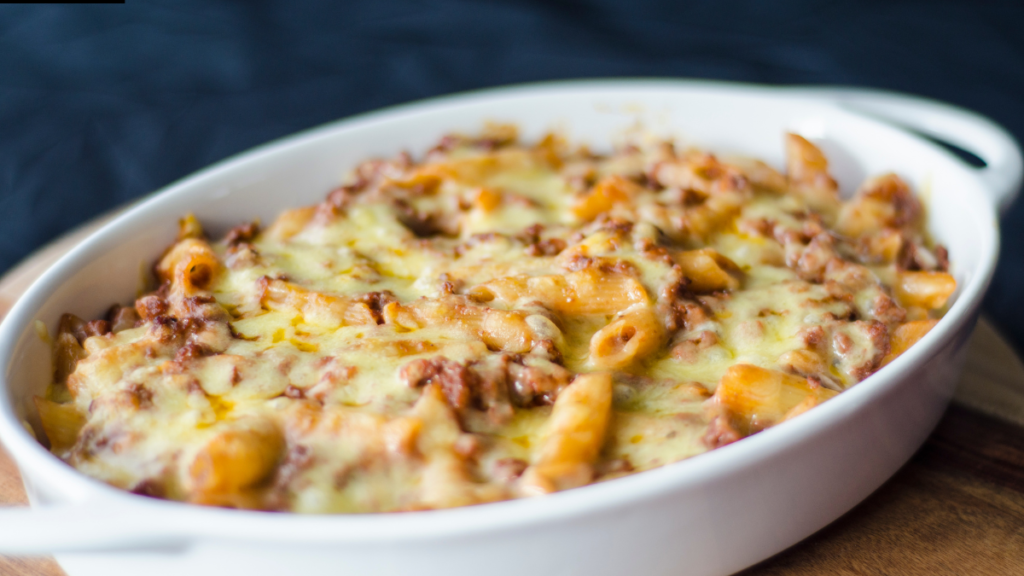
Meatballs can work surprisingly well in a school lunchbox when prepared appropriately.
Pack cooked meatballs alongside pasta, fruit, and another simple side. You can serve the pasta with a small amount of sauce or keep the components separate.
If your child prefers to eat the meatballs with bread, you can turn them into mini meatball sandwiches instead.
This idea is also another good example of using leftovers. Make meatballs for dinner and reserve some for lunch the next day.
18. Hummus and Pita Lunch Box
For children who enjoy hummus, this can be a simple lunch that requires very little cooking.
Pack hummus with pieces of pita bread, cucumber, carrots, fruit, and another familiar food. If your child is not a fan of vegetables yet, do not feel pressured to fill the entire lunchbox with them.
The goal is to offer food your child will realistically eat while gradually exposing them to different choices.
You can also switch the dipping foods depending on what you have available.
19. Tuna or Chicken Salad Sandwich
A simple tuna or chicken salad sandwich can add variety to your child’s lunch rotation.
Prepare the filling using ingredients your family already enjoys and place it between bread, in a wrap, or alongside crackers.
If your child does not like sandwiches, pack the salad separately and include crackers for dipping or scooping.
As always, consider your school’s allergy rules, your child’s preferences, and proper storage requirements when deciding whether this lunch is suitable.
20. Build-Your-Own Lunch Box
Sometimes the best lunch is one that gives your child choices.
Instead of preparing one specific meal, create a lunchbox with several small components: a protein or main item, fruit, a vegetable, a grain or crunchy food, and another familiar option.
For example, you could combine crackers, cheese, chicken pieces, grapes, cucumber slices, and yogurt.
The exact combination is not important. What matters is creating a lunch that gives your child some variety without requiring you to cook five different dishes.
This approach can also help you learn what your child actually enjoys. If certain foods always come home untouched, you have useful information for planning future lunches.
How to Make School Lunches Easier on Busy Mornings
The biggest secret to making easy school lunches for kids is not having a hundred recipes. It is reducing the amount of work you have to do in the morning.
Try preparing a few components the night before. Wash fruit, cut appropriate vegetables, portion snacks, prepare sandwich fillings, or pack non-perishable items ahead of time.
You can also create a simple weekly lunch rotation. For example, Monday could be sandwich day, Tuesday could be leftovers, Wednesday could be a wrap, Thursday could be a lunch box with separate foods, and Friday could be something fun like homemade pizza or breakfast-for-lunch.
You do not have to follow the schedule perfectly. Its purpose is simply to give you a starting point when you are too tired to think of something new.
Let Your Child Have Some Input
One reason school lunches sometimes come home untouched is that adults choose everything without asking the child what they actually enjoy.
That does not mean your child needs to control every meal. But giving them a few choices can make lunchtime more successful.
Ask questions such as, “Would you rather have a chicken wrap or a cheese sandwich?” or “Do you want grapes or apple slices today?”
Small choices can make children feel involved without turning lunch preparation into a negotiation.
You can also ask them which lunches they liked most at the end of the week. Their answers can help you build a list of reliable favorites.
Keep Lunches Familiar When Needed
There is nothing wrong with sending a familiar lunch.
You may see beautifully arranged lunchboxes online filled with foods in ten different colors, but your child’s lunch does not need to look like that.
If your child consistently eats a simple sandwich, fruit, and crackers, that is useful information. You can introduce variety gradually instead of changing everything at once.
A lunch that gets eaten is usually more useful than a beautiful lunchbox that comes home untouched.
Use Leftovers to Save Time and Money
Leftovers are one of your best tools when school mornings are busy.
When preparing dinner, think ahead. If you know your child enjoys the meal, set aside a suitable portion before everyone starts eating. Store it properly and use it for lunch the next day.
You can also transform leftovers. Chicken can become a wrap. Pasta can become pasta salad. Meatballs can become a sandwich. Cooked vegetables can become part of a rice bowl.
This reduces waste while giving you more lunch options without requiring another full cooking session.
Make the Lunchbox Easy for Your Child to Handle
A lunch may be delicious, but if your child cannot open the container, peel the packaging, or manage the food independently, it can become frustrating.
Before packing something new, let your child practice opening the container at home.
Use containers that fit their hands and avoid unnecessary packaging when possible. Cut food into sizes that are appropriate for your child’s age and abilities.
The more independently your child can manage lunch, the more relaxed lunchtime can become.
Do Not Forget Food Safety
School lunches need more than good ideas. They also need appropriate storage and handling.
Foods that can spoil should be kept at safe temperatures using suitable insulated containers, ice packs, or other appropriate methods depending on the food and your child’s school arrangements.
Perishable foods should not simply sit at room temperature for hours. Follow reputable food safety guidelines for storing and transporting foods, especially meat, dairy, eggs, and leftovers.
If your child’s school has specific lunch and allergy policies, follow those requirements as well.
Conclusion
Finding 20 simple school lunch ideas for kids is not about creating the perfect lunchbox every morning.
It is about making busy school days easier for you while giving your child food they are comfortable eating and happy to see in their lunchbox.
Sandwiches, wraps, pasta, quesadillas, leftovers, mini pizzas, fruit, cheese, crackers, rice bowls, and simple snack-style lunches can all become part of a reliable rotation.
You do not have to reinvent lunch every day.
Choose a handful of meals your child enjoys, prepare some components ahead of time, use leftovers when you can, and give your child a little say in what goes into the lunchbox.
And remember, your child’s lunch does not need to look perfect.
Some days it may be beautifully packed. Other days, you may be throwing together a sandwich five minutes before leaving the house.
That is real life.
What matters most is creating a simple system that works for your family and helps you get through those busy school mornings with a little less stress.
FAQ
What are some simple school lunch ideas for kids?
Simple options include turkey and cheese sandwiches, chicken wraps, pasta salad, quesadillas, mini sandwiches, cheese and crackers, leftover pasta, rice bowls, homemade pizza, and breakfast-for-lunch boxes.
How can I make school lunches easier on busy mornings?
Prepare ingredients the night before, use leftovers, portion snacks ahead of time, and create a weekly rotation of dependable lunches. You can also keep a list of your child’s favorite meals for days when you need inspiration quickly.
What should I pack in my child’s school lunch?
A simple lunch can include a main food such as a sandwich or wrap, fruit, a vegetable or other side your child enjoys, and an additional snack or dairy option where appropriate. The exact combination should depend on your child’s needs, preferences, school rules, and dietary requirements.
How can I get my child to eat their school lunch?
Start with foods your child already enjoys and introduce new foods gradually. Giving your child a few choices can also make them more interested in what goes into their lunchbox.
Can I use dinner leftovers for school lunch?
Yes, suitable leftovers can be a convenient lunch option. Store and transport them according to appropriate food-safety practices, particularly when they contain meat, eggs, dairy, or other perishable ingredients.
What are good school lunches for picky eaters?
Familiar foods are often a good starting point. Try simple sandwiches, crackers and cheese, fruit, chicken pieces, pasta, quesadillas, or other foods your child already accepts. You can gradually introduce new foods alongside familiar favorites.
How do I keep school lunch from getting boring?
Rotate between different formats rather than trying to create completely different meals every day. For example, alternate sandwiches, wraps, pasta, leftovers, snack boxes, and rice bowls.
Should children help pack their own lunches?
When age-appropriate, yes. Children can help choose between options, wash fruit, place items into containers, or organize their lunchbox. Giving them some responsibility can help them become more interested in what they eat.
What can I pack instead of a sandwich?
Try chicken wraps, quesadillas, pasta salad, rice bowls, cheese and crackers, meatballs with pasta, mini pizzas, breakfast foods, or a build-your-own snack box.
How much food should I pack for my child?
Portion sizes depend on your child’s age, appetite, activity level, and individual needs. Pay attention to what your child actually eats rather than assuming a particular portion will work for every child.
How can I make a school lunch look more fun?
You can use colorful fruit, different sandwich shapes, separate compartments, fun food picks where appropriate, or a short handwritten note. You do not need complicated designs to make lunch feel special.
What is the most important thing about packing a school lunch?
The lunch should be practical, safe to store and transport, appropriate for your child’s needs, and made up of foods they are reasonably likely to eat. A simple lunch that works consistently is better than an elaborate one that creates stress.
Save the pin for later