
Sleep isn’t just another part of your life—it’s one of the most important parts. But you’re not sleeping well right now. You might toss and turn for hours before falling asleep. Or maybe you wake up in the middle of the night. And even if you do fall asleep, you probably don’t feel refreshed in the morning.
Sleeplessness sucks the energy from your body and your mind. You’re tired all day long, feel grouchy, and lack motivation. Enough is enough. If you wake up exhausted or drag your feet all day, change your sleep habits.
The secret to sleeping better is reprogramming your sleep cycle—and you can do that. You don’t need chemicals or expensive machines. By changing your daily routine, bedtime ritual, and mindset about sleep, you can train your body and mind to fall asleep naturally at night and sleep through morning alarms.
Follow these 10 tips to build healthy sleeping habits for better sleep.
1. Go to Sleep and Wake Up at Consistent Times
Your body has an internal clock known as the circadian rhythm. Your circadian rhythm instructs your body when it needs to sleep and when it needs to wake up. If you go to bed at a different time every night and wake up whenever you can, you confuse your body clock.
Train your body to get sleepy around the same time each night. When you wake up, make sure you wake up at the same time each morning too—including on the weekends! Soon, your body will catch on to your schedule and begin falling asleep naturally.
Keep your sleep schedule consistent to tell your brain when to power down and when to perk up.
2. Create a Sleep-Inducing Environment
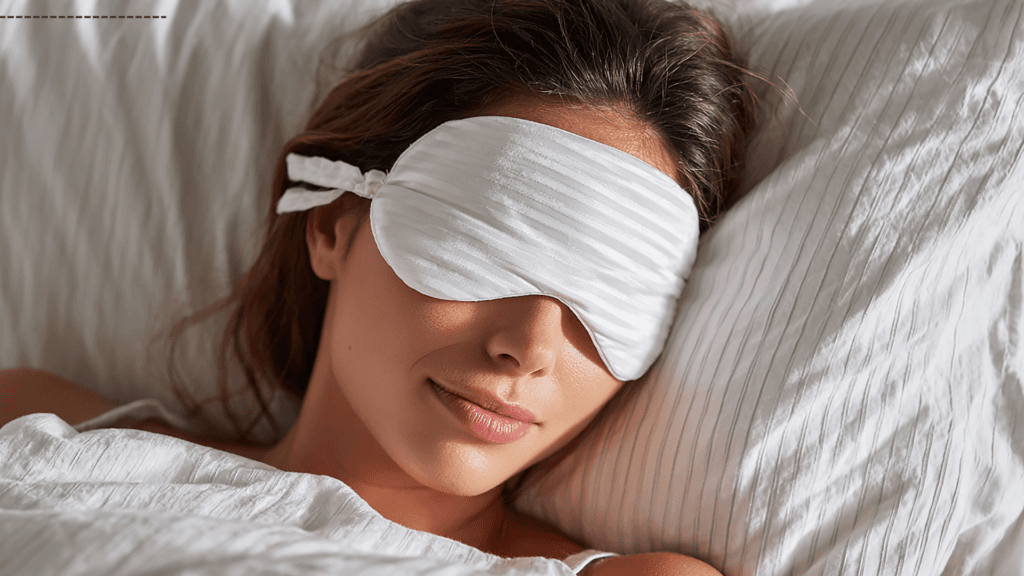
Your bedroom sets the tone for sleeping. Loud noises, light, and clutter can distract you from resting peacefully. Make sure your room is quiet, cool, dark, and tidy. Also, ensure your bed is comfortable and inviting.
Your bed should not be associated with work, watching television, or staring at your phone. Train your brain to think of your bed as a place to relax. When you sleep in a calm environment, your brain will learn to wind down.
3. Stop Drinking Caffeine and Sugar Before Bedtime
Your diet plays a significant role in your ability to sleep. Caffeinated drinks such as coffee, tea, soda, and even chocolate can stay inside your body for hours. Drinking caffeine later in the day can keep you awake long after you want to be.
Sugar can also make your body hyperactive and unable to relax. Avoid eating candy or drinking sugary beverages before bed. Opt for warm milk instead, or drink plain water.
4. Put Down Your Electronics Before Bed
The backlit screens from phones, laptops, tablets, and televisions suppress melatonin production and trick your brain into thinking it should be awake. Melatonin is a hormone that regulates your sleep cycle, and Harvard Health explains how light exposure at night can interfere with it.
Stop using screens at least 30 to 60 minutes before you go to bed. Read a book, journal, or listen to relaxing music instead. Repetitive and calming tasks can prepare your mind to enter sleep mode.
5. Avoid Long Daytime Naps
Short catnaps are okay, but long naps during the day can interfere with nighttime sleep. Taking a long afternoon nap can make you too energized to fall asleep at night.
Nap earlier in the day for 20–30 minutes only. That way, you can wake up feeling refreshed without disrupting your nighttime sleep.
6. Exercise Daily
Did you know exercising can help you sleep better at night? When you sweat during the day, your body grows tired from healthy exhaustion. You’ll find it easier to fall asleep at night.
Exercising also relieves tension and clears your mind. Do whatever feels good and gets you moving. Dance, stretch, swim, lift weights, or take a stroll outside. But avoid exercising right before bed, as it can energize you.
7. Establish a Relaxing Bedtime Routine
Your bedtime routine conditions your mind for sleep. When you perform calming activities every night, your brain starts to relax instinctively.
Your bedtime routine can be as simple as taking 20–30 minutes to brush your teeth, wash your face, dim the lights, write in your journal, and listen to relaxing music. Simple rituals like these teach your brain it’s time to power down.
8. Don’t Stay in Bed If You Can’t Sleep
If you lie in bed for more than 20–30 minutes unable to fall asleep, get up. Lying there thinking about how you can’t sleep will only stress you out.
Do something else in a different room to relax—read a book, stretch your body, or try some breathing exercises. When you feel tired, head back to bed. Associating your bed with sleep instead of anxiety will teach your brain to relax at night.
9. Relax Your Mind at Night

Busy thoughts are another reason why you can’t sleep at night. When you lie in bed, you may replay things that happened during the day or stress about what’s to come. Clear your mind before bed.
Practice deep breathing, meditate, or visualize calm scenery. You can even pour your thoughts onto a journal before bed and promise yourself you’ll tackle those problems tomorrow. Relieving your mind from stress allows you to sleep easier at night.
According to The Sleep Foundation , calming your mind can improve your sleep.
10. Have Patience and Stay Consistent
Like any other healthy habit, you can’t expect overnight results. You may follow these tips to a tee for one night or even one week and not see a difference. But if you practice these tips daily, your body and mind will adjust.
Sleeping better takes time, but you are getting better each day. Stay committed and your sleep will become healthier, and you’ll start to notice higher energy levels during the day.
For more helpful tips, check out the sleep basics provided by the Centers for Disease Control and Prevention (CDC).
Conclusion
Healthy sleep isn’t achieved through pricey machines or complicated technology. You sleep better by creating healthy habits. What you do during the day, how you treat your body, and how you relax at night affects your sleep.
You can’t transform your sleep overnight, but you can start making changes today. The more you practice these 10 tips, the more your body and mind will recognize when it’s time to sleep. And when you learn how to sleep better at night, you’ll live your best life feeling more energized, focused, and emotionally balanced.
Sleep is a gift, so give yourself the gift of rest. You deserve to wake up each morning feeling peaceful, energized, and ready to conquer your day.
FAQ
Why do I feel tired even after sleeping?
Even if you fall asleep, you might not feel refreshed in the morning if your sleep habits or sleep routine aren’t supporting deep rest.
How long does it take to fix a sleep schedule?
You can’t expect overnight results. Sleeping better takes time, but with daily practice, your body and mind will adjust.
What should I do if I can’t fall asleep after lying in bed?
If you lie in bed for more than 20–30 minutes unable to fall asleep, get up and do something relaxing in a different room, then return to bed when you feel tired.
Do I really need to stop using my phone before bed?
Backlit screens can suppress melatonin production and trick your brain into thinking it should be awake, so putting electronics down before bed can help.