
Life isn’t fair. Sometimes things don’t go your way. You don’t get the job you wanted. The relationship you worked so hard for crumbles. Something you spent hours, weeks, months on fails.
It sucks when things like this happen. It makes you feel like you’re breaking apart on the inside.
But you don’t have to let difficult moments destroy you. You can learn to handle hard times, and come out stronger on the other side.
That strength is called emotional resilience. It’s the ability to recover from stressful situations, pain, or failure.
Emotional resilience doesn’t mean you don’t feel sad, angry, or upset. It means you’ve learned how to cope with these emotions in a healthier way and move forward.
Some people are naturally more resilient than others. But anyone can build emotional strength. Think of it like a muscle you can exercise over time.
Here are 10 simple, powerful exercises you can do to build emotional strength inside you and remain unshakeable when life happens.
10 Powerful Emotional Resilience Exercises
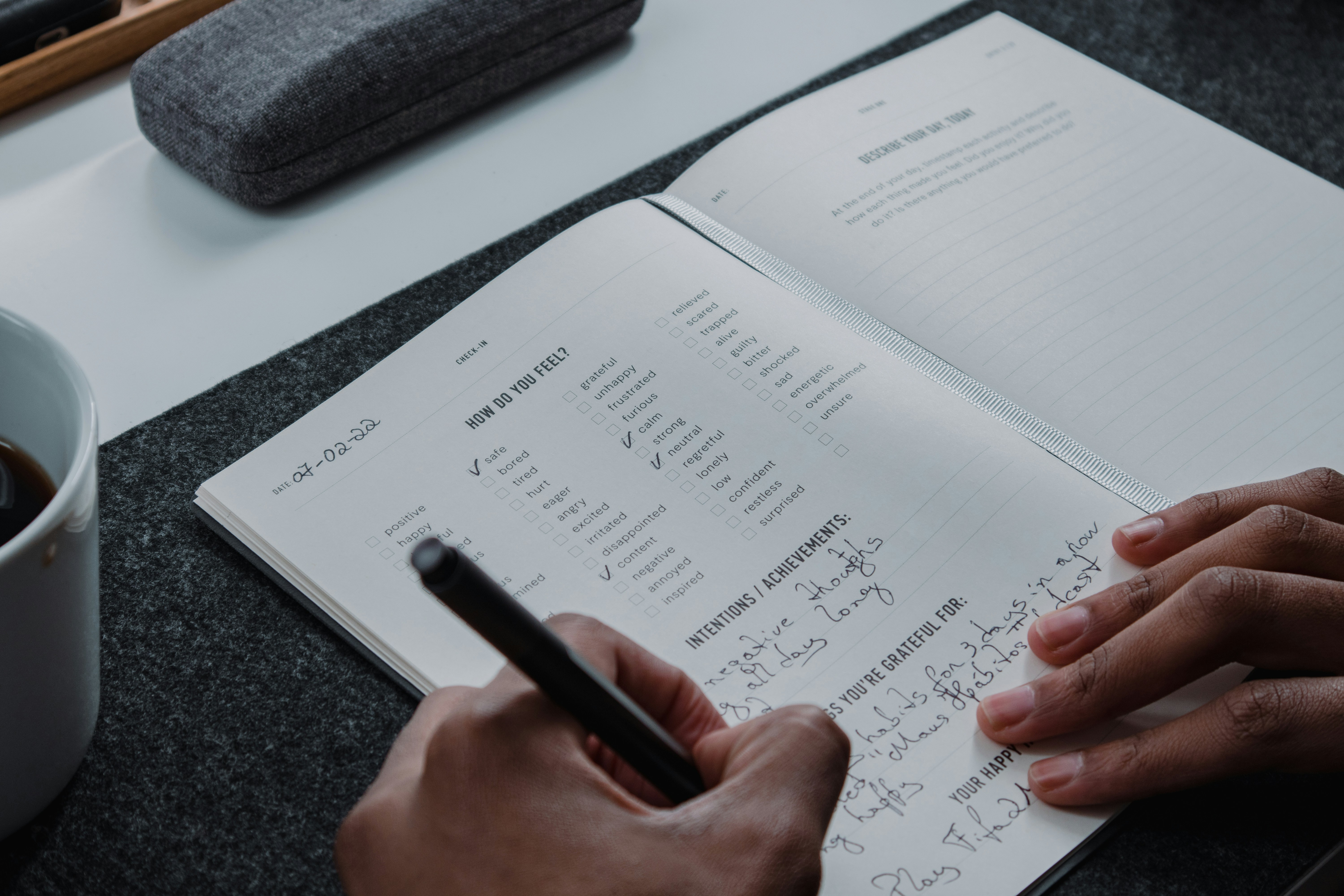
1. Journal Your Emotions Daily

Writing down your thoughts and feelings is one of the easiest exercises you can do to improve emotional strength.
It may feel silly at first. But when you put your thoughts on paper, you better understand what you’re going through.
Don’t worry about spelling or grammar. Just write!
When you journal your emotions daily, even for 10 minutes a day, you start to identify negative thought patterns. You learn to recognize what you’re feeling rather than saying, “I feel bad.” With time, you’ll begin to control your reactions during these moments instead of your emotions controlling you.
Studies from the University of Texas at Austin found that expressive writing can lower stress levels, benefit your immune system, and improve your mood. You can learn more about expressive writing from the American Psychological Association.
Read: How to Forget Bad Memories – 5 Tips
2. Practice Deep Breathing
When you’re anxious or fearful, your breath becomes quick and shallow. The less air you take in, the harder it is to think straight.
Slowing down your breathing sends a signal to your brain that you’re okay. You’re safe. Which will allow you to think more clearly and feel calm.
Deep breathing is simple. Sit down, close your eyes, and take a deep breath in… then out. Continue to breathe in… and out…
Focus on nothing else besides your breathing. In… and out…
Doing this for only 5 minutes each day can help you feel more grounded during stressful times. If you want a simple guide, the NHS explains breathing exercises for stress.
Read: 50 Emotional Intelligence Tips You Can Try
3. Make a Role Model Chart for Times Like These
We all need someone to look up to when we face tough times. That’s why it helps to make a list of people who have inspired you when you felt weak or life was tough.
Think of family members, celebrities, friends, or even characters from books or movies that have shown resilience during hard times.
Write their name down and what they experienced. How did they respond to the pain?
Next time you face an emotional challenge, ask yourself, “What would they do in this situation?” It can help give you a roadmap of what to do next.
Read: 6 Ways to Stop Living in Survival Mode
4. Practice Gratitude
When life throws lemons at you, it’s hard to feel thankful. But gratitude is important during these times more than ever.
Being grateful doesn’t mean your pain magically goes away. It means you can choose to look for the good, despite your situation.
Each day, write down 3 things you’re grateful for. They can be simple things like the food you eat, a smile you received from someone that morning, or even the fact that you woke up.
This small exercise will help you realize there is always something to be thankful for, even if you’re going through pain. And that realization is what will build your emotional strength.
5. Speak To Someone Who Will Listen
As humans, we have a need to be heard. Most of the time, all we need is someone to listen.
Find someone you trust. A friend, therapist, coach. Whoever you feel comfortable with and speak your heart.
Talking helps you process your emotions and reminds you that you’re not alone in your struggles.
If you don’t have anyone to talk to, try speaking out loud to yourself in the mirror. Sometimes hearing your own voice and allowing yourself to be vulnerable is enough to help you let go of your emotions instead of bottling them up.
6. Choose To Do Something Difficult
One of the best ways to build your inner strength is by doing difficult things on purpose.
When you put yourself through small challenges, you teach your mind that it’s okay to feel uncomfortable.
Run a mile, wake up early for 1 week straight, learn something new. Whatever you choose to do, remember you don’t have to be great at it. You’re simply training your mind to stay calm when life feels uncomfortable.
7. Practice Self-Compassion
We are our worst critics. When something doesn’t go our way, we tend to say hurtful things to ourselves.
This type of thinking drains all your emotional strength.
Self-compassion is the opposite of bullying yourself. It’s allowing yourself to give yourself mental hugs and speak kindly to yourself during pain or failure.
Say things like, “This is really hard for me, but I’m doing my best.” “I may be struggling right now, but I am worthy of love.”
You can practice this by writing yourself a letter or taking your hand and placing it over your heart while saying kind things to yourself.
Dr. Kristin Neff is a researcher who has done extensive work on self-compassion and how it helps people become more resilient.
8. Spend Time in Nature

Mother nature has a way of soothing your soul. When you’re outside, watching the trees dance with the wind or listening to the water flow in a river, it allows you to feel at ease.
Your mind begins to relax because you realize there is something much bigger than you and your problems.
Take 15 minutes a day and go outside. Take a walk. Sit on a bench. Listen to the birds chirp. Allow mother nature to clear your mind. Research summaries like this Harvard Health article on how nature can help your health support the idea that time outside can help your mind feel better.
9. Create a Resilience Playlist
Music has a way of uplifting our spirits when we feel down. That’s why creating a playlist of “feel good” songs can help.
Make a playlist of songs that inspire you or make you want to feel strong. Next time you’re feeling low, scared, or drained, play your resilience playlist.
Allow the music to remind you of the amazing person you’re becoming and how far you’ve come.
10. Set One Small Goal Each Day
The days you don’t want to get out of bed probably feel like your biggest goals are unattainable. But that doesn’t mean you shouldn’t try.
Each day, no matter how you feel, challenge yourself to do 1 small thing.
Wake up. Drink a glass of water. Call a friend. Step outside.
You’re building trust with yourself that you can do hard things by taking small actions each day.
That’s what resilience is.
Closing Thoughts
You don’t have to fall to pieces before you can become emotionally resilient. You can start building strength today.
Emotional resilience isn’t about never feeling pain again. It’s about learning how to move through this life with a heart that doesn’t give up. Use these 10 exercises as a guide to help build that strength inside of you.
Start with one today and practice it again tomorrow. Soon you’ll begin to realize something happening inside of you.
Something is growing strong…
It’s your emotional strength.
You are becoming unshakeable.
Frequently Asked Questions
What is emotional resilience?
Emotional resilience is the ability to recover from stressful situations, pain, or failure.
Does emotional resilience mean I won’t feel sad or angry?
No. Emotional resilience doesn’t mean you don’t feel sad, angry, or upset. It means you’ve learned how to cope with these emotions in a healthier way and move forward.
Do I have to do all 10 exercises at once?
No. Start with one today and practice it again tomorrow.
What if I don’t feel like I’m improving right away?
These exercises won’t make everything perfect overnight. Building emotional strength is like a muscle you exercise over time.
Save the pin for later