
There was a season of my life where I felt constantly “busy” doing things, yet somehow accomplishing nothing. I would wake up tired, go through the day on autopilot, then by nightfall feel absolutely drained… and never know why.
I thought it was stress. Maybe I needed more sleep. Maybe I just needed to “push harder.”
But eventually I realized…
I wasn’t just tired. I was mentally exhausted.
And the problem is, most people never realize that they’re mentally exhausted. They accept it as normal. They push through it until it creeps into every aspect of your life—your mood, relationships, productivity, health…
So if you’ve been feeling crappy lately, read this handy guide to diagnosing yourself. Below are 13 signs you’re mentally exhausted so you know what you’re dealing with, and can actually DO something about it.
13 Signs You’re Mentally Exhausted
1. You Feel Tired Even After Sleeping
This should be a HUGE red flag.
You’re getting 7–8 hours of sleep a night. Maybe even more. But you STILL wake up feeling tired.
If you sleep the full 8 hours and still feel tired, that’s because mental fatigue isn’t JUST physical. It’s emotional and psychological fatigue.
Your brain hasn’t had the chance to properly rest and recharge.
Sleep is great, but if you’re still feeling tired after sleeping your normal schedule—something deeper is going on.
Read also: 10 Habits of People Who Never Get Tired
2. You Have No Mental Clarity

Simple tasks that you used to breeze through now feel like a struggle.
- You read something five times but don’t comprehend it
- You forget the smallest tasks
- You can’t focus to save your life
Your brain is overloaded with everything going on, and it’s starting to shut down.
3. Small Tasks Exhaust You
Replying to texts, folding laundry, picking what to eat for dinner.
Things you USED to do without thinking about now feel like giant tasks.
This is because your mind is already overwhelmed with everything else going on. Putting focus on even small tasks exhausts you.
4. Everything Seems to Annoy You
You’re snappy. Little things get under your skin. You’re short with the people you love.
Mentally exhausted people have ZERO emotional tolerance. Your mind and body are so drained that you can’t even process things like you used to.
Read also: 5 Social Emotional Health Activities
5. Nothing Really Excites You Anymore
On the complete opposite side of “everything annoys me”… nothing really excites you either.
You don’t feel happy about the things you used to. You feel no emotion when good things happen to you.
Your brain is basically shutting down to avoid becoming overstimulated.
6. You Have No Motivation
Doing things you actually WANT to do feel like the biggest chores.
Procrastination is your new best friend.
You have no drive to do anything, even the things you enjoy.
Again, this isn’t laziness. Your body and mind are tired, and it’s forcing you to take a break whether you want to or not.
7. You Overanalyze Everything
Your mind races at night instead of shutting off.
You think about things that haven’t even happened yet.
Small situations that blow way out of proportion.
When you’re mentally exhausted, your brain doesn’t shut off at night. It replays every little thing that you did that day and spirals.
8. You Feel Physical Exhaustion
Aside from feeling tired all the time, your mental exhaustion is PHYSICALLY draining you.
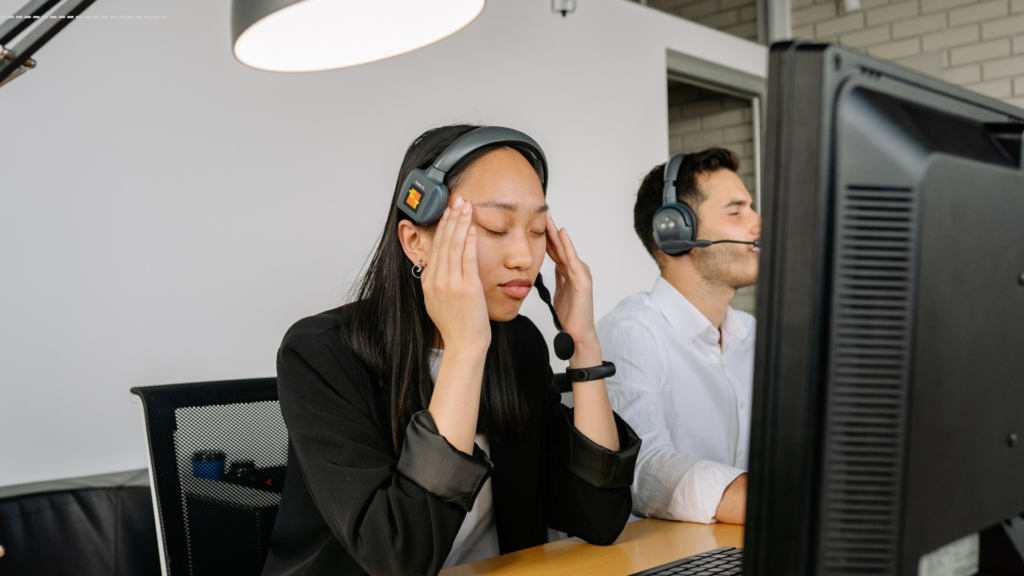
- You get headaches
- Your muscles feel tense
- You never seem to have any energy
Your brain and your body are connected. You can’t run your body on empty.
9. You Start Avoiding People
You’d rather be alone than hang out with the people you love.
Not because you don’t want to, but because you literally don’t have the energy.
Your mental exhaustion is making you withdraw from others because it’s ZAPPING your energy.
10. You Have Decision Fatigue
Even SMALL decisions feel like your brain can’t handle it.
“What am I going to wear?”
“What am I going to eat?”
“What should I do first?”
Your mind is fried from making the big decisions. It can’t process the small ones.
11. Life Feels Like You’re On Autopilot

You go through the motions without actually “living” life.
Doing things without putting any thought or care into them.
You feel disconnected from your surroundings.
Mentally exhausted people simply “exist.” They go through the day without enjoying life because they’re too tired to do so.
Read also: 7 Ways to Stop Living on Autopilot
12. You Can’t Fall Asleep (Even Though You’re Tired)
Sound familiar?
You’re tired all day long, but when you go to sleep your mind races.
- You have a hard time falling asleep
- You keep waking up throughout the night
- You have dreams that scare you
Despite feeling exhausted, you CAN’T fall asleep because your mind is overworked.
13. You Feel Hopeless/Trapped
You feel like you’ll never get out of this rut.
That nothing will change.
Things won’t ever get better.
Prolonged mental exhaustion can cause you to feel this way. You’re not hopeless. You just need to slow down and take care of yourself.
Mental exhaustion creeps up on you. It doesn’t happen overnight.
It’s caused by a buildup of stress, pressure, overthinking, lack of proper rest…
The problem is, most people don’t realize it until it starts to bleed into every area of your life.
If you know someone that fits most (if not all) of these signs, SHARE this with them. They need to read this.
Don’t pride yourself into mentally exhausting yourself even more.
You won’t snap out of it by throwing yourself into work/school and expecting it to fix itself.
You can only run yourself on empty for so long.
Once you know deep down that there’s a problem, the ONLY way to fix it is to slow your f*cking self down.
Rest. Reflect. Recharge. And take action on what’s been mentally draining you in the first place.
FAQ
Q: Is mental exhaustion the same as burnout?
Not exactly, but they’re closely related. Mental exhaustion can lead to burnout if it’s not addressed.
Q: How long does mental exhaustion last?
It depends on the cause. With proper rest and changes, it can improve in days or weeks. Ignored, it can last much longer.
Q: Can sleep alone fix mental exhaustion?
No. Sleep helps, but you also need to reduce stress, set boundaries, and address the root cause.
Q: Should I see a professional?
If your symptoms are severe or persistent, speaking to a therapist or counselor is a smart step.
Q: What’s the fastest way to recover?
There’s no instant fix, but starting with rest, reducing overload, and improving your daily habits will help you recover faster.
Save the pin for later