
Imagine walking through your front door and immediately feeling relaxed.
Between noise pollution, mental clutter, physical clutter, and stress from work and relationships, home can sometimes feel like just another chaotic part of your day. But what if home was the opposite of stress? What if it was your safety net?
If you spend several hours a day in a stressful, cluttered environment, you will likely start to feel and behave the way that space makes you feel. Your mood might become cluttered. Anxious. Tight. It can take a toll on your mental and emotional health. That’s why creating a calm space is just as important to your healing process as therapy or meditation is. It allows you to rest.
A calm space is a place where you can clear your mind, open up your thoughts, and find relief from the constant stressors of everyday life. This can be an entire room or just a seat by the window. It doesn’t have to be big or extravagant. A calm space is wherever you go to slow down, refocus, and interact with life in a more patient and calm way.
These 11 tips will walk you through easy ways to bring calm energy to your home. Each tip can be done slowly and with things you probably already own. Because a calm energy space is built with intention, not stress.
11 Ways to Create a Calm Space at Home
1. Start by Decluttering Your Surroundings
Sometimes calm starts with less stress. And less stress often means less clutter. When there are too many things scattered around your home—especially things you don’t use regularly—you invite anxiety into your space. Clutter overloads your vision, which makes it hard for your brain to focus.
Spend 5–10 minutes looking around your room and choose one flat surface to begin with. Maybe that’s your dresser, coffee table, or nightstand. Start by clearing that one surface of anything that doesn’t “need” to be there. You don’t have to throw these things away. But do put them in drawers or closets where you won’t see them.
Your brain can only focus on so much visual data at once. When your surroundings are cluttered and messy, your mind will feel cluttered and tired. But when you clean up the visual noise, you can clear your mind better, which is supported by guidance on stress and environment from the Mayo Clinic Health System.
Want a Tidy Home? Here Are 10 Smart Decluttering Tips
2. Let in Natural Light When Possible
Have you ever noticed how some lighting makes you feel anxious or depressed? Fluorescent lights and bright white lights often create stress, which can lead to headaches or migraines. But natural, warm light can help your body relax and balance your sleep patterns.
Open up the curtains during the day and let in as much natural light as you can. If you live in an area that doesn’t receive much sunlight, try swapping your bright light bulbs for bulbs that are more yellow. You can also invest in mirrors that will reflect natural light into rooms that don’t typically get much.
Creating a relaxing atmosphere doesn’t have to revolve around big life changes. If you can pick up a lamp for your room that offers warm lighting, do that. Soften the lighting in your space so your mind won’t feel the need to stay alert.
Read also: 9 Tips on How to Be Happy
3. Fill the Space with Soft Colors
Colors can have a huge impact on your mood. Bright colors and bold colors are often stimulating—which is great if you’re looking for energy. But if you want calm, opt for more gentle colors.
Blue, green, soft white, and earthy colors are more likely to bring calm to your space. If you don’t want to paint your walls, pick up some bedsheets, pillowcases, towels, or rugs in colors that bring you peace. Try to place a hint of these colors where your eyes land the most, like on your bed or desk.
Psychologists have discovered that colors affect our emotional well-being. Colors like blue and green can help your blood pressure and heart rate return to a resting point. This makes it easier for you to mentally reset.
Read also: 15 Ways to Stop Overthinking and Find Mental Peace
4. Fill Your Space with Gentle Scents
The sense of smell is deeply connected to emotion. There are certain scents that can help your body relax, sleep better, or even boost your concentration when studying. Look into different candles, essential oils, herbs, and even fruits that you can use to comfort your space.
Try lavender, mint, lemon, or sandalwood. You don’t need to spend money on a diffuser and expensive oils. Buy a bowl and fill it up with dried rosemary or lavender. Light a calming lotion when you enter your space. Keep orange peels in a cup of water.
When you consistently smell a certain scent during times of rest and relaxation, your brain begins to connect that smell with safety and restoration.
5. Add Cushions and Soft Fabrics
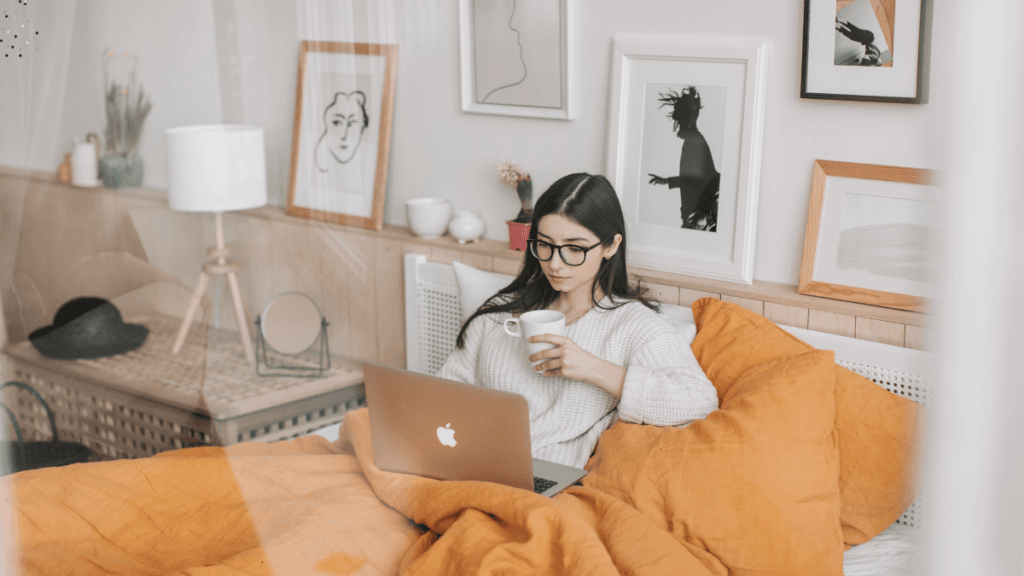
Your space should invite you to unwind. If your area is full of harsh materials and angles, it might send your body the message that it needs to stay alert. But when you add soft elements like blankets, pillows, slippers, and plants, your body knows it’s free to relax.
Buy a fuzzy blanket for your favorite chair. Place a soft rug in front of your bed. Throw a plush towel or faux fur blanket over your sitting area. Invite your body to relax by adding textures that feel like comfort. Home is supposed to be a safe place. Let your space reflect that.
6. Keep Assorted Objects of Comfort Visible
One trick I use to calm my space is keeping objects of comfort nearby. Photos, books, care reminders, and household plants are just a few examples. You could even keep a special rock or ornament that helps you calm down.
Don’t clutter your surfaces with junk. Instead, choose 2–3 things that help you breathe easier when you look at them. Keep them in places you find yourself looking the most, such as your nightstand, desk, or windowsill.
Objects of comfort are deeply personal items that keep you connected to the things that matter. When you care for these objects and spend time with them, your calm space becomes more “you.”
7. Decrease Noise or Add Soft Sounds
Noise pollution is sneaky. You don’t realize how much the outside world is interrupting your calm until you tune it out. Traffic, loud TVs, and loud conversations can instantly pull your attention away from what you’re doing and leave you feeling exhausted.
Try to keep your calm space quiet. If you can’t, add calming music, nature sounds, or white noise. Some people enjoy sound machines or listening to soft playlists while reading or winding down.
If you can go completely silent, do that too. Your mind needs moments of complete silence to refocus and feel rejuvenated. Silence is just as powerful as music.
8. Create Boundaries Around Your Space
You can’t feel calm when your space is constantly being intruded on. It’s important to set healthy boundaries so you can relax. Whether you share your home with roommates or your family, remind them that when you’re sitting in your zone, you need privacy.
You don’t have to hide away in your room all day. But you should establish times when you need your space to yourself. Maybe that’s 10 minutes of quiet when you walk through the door. Or you schedule an hour each night to read or stretch silently.
When you protect your calm space, your calm space will protect you. You won’t feel the need to tense up every time you walk into that room.
9. Purify Your Air with Plants or Fresh Air
Plants not only add beauty to your space, but they help you breathe easier and give your brain a soft place to land. Look into indoor plants that you can care for, or simply open a window and let in fresh air.
Opening a window allows your home to let go of old, stagnant energy. Fresh air helps you feel refreshed when you step into your home and ready to rest at night. Sick of feeling tired when you wake up? Let the sun shine through.
NASA’s research on air-filtering plants found that certain houseplants can help remove toxins from indoor air while providing oxygen. Houseplants are a beautiful and natural way to care for your mental health.
10. Don’t Work in Your Calm Space

This is huge. When creating your calm space, try not to work or do anything stressful there. Don’t take business calls from your cozy chair. Don’t clutter up your space with homework or laptops.
Your brain creates associations when it recognizes certain places. If you study in your calm space, it will no longer feel calm to your brain. Instead, it will associate that space with stress and studying.
If you live in a small apartment, that’s okay. Just limit where you work. If you only sit at your desk for work, that’s fine. But create a relaxing atmosphere when you’re resting. Use a candle, fuzzy blanket, or dim lights for relaxing only.
If you teach your body what calm feels like, it will naturally want to return to that feeling when you’re stressed.
11. Visit Your Calm Space Often and With Purpose
This step isn’t about your physical space. It’s about how you use it. A calm space isn’t effective unless you take time to sit with your thoughts there. Make it a habit to visit your calm space often, even when you’re not stressed.
Sit in silence. Meditate there. Read a book. Drink some tea. Write yourself a note. Stretch your body. Hang out with your houseplants. Spend as much time there as you can so when you are overwhelmed, you know where to go.
The American Psychological Association notes that people who regularly return to calm environments after stress are better able to cope with future stress. Make your calm space your training ground for stressful events.
Final Thoughts
Creating a calm space means listening to what your heart needs to feel at peace. Some people are calm around water. Others find comfort in pets. Or children. Welcome those things into your space if they bring you comfort.
For me, a calm space is soft lighting, warm colors, fuzzy blankets, and candles. Build your space with things that bring you comfort. This isn’t something you need to jump into. Take your time decorating your calm space.
Live with clutter for a week and notice how you feel. Now clean up the clutter and watch your mood shift. Start small and build from there. Calming your space is a practice, not a style you have to abide by.
Frequently Asked Questions
What if I don’t have an entire room for a calm space?
A calm space can be as small as a chair, a corner, or a spot by the window. It doesn’t need to be a full room to be effective.
How long should I spend in my calm space each day?
Even a few minutes can make a difference. The goal is consistency, not duration.
Can a calm space help with stress from work or relationships?
Yes. A calm space gives you a place to slow down, reflect, and mentally reset after stressful situations.
Do I need to buy new items to create a calm space?
No. Many calm spaces are created using items you already own, such as blankets, books, or plants.
How do I keep my calm space from becoming cluttered again?
Revisit your space often and remove items that no longer serve its purpose. Keeping it intentional helps maintain its calming effect.
Save the pin for later