
Not too long ago, I was chatting with a friend about her recent breakup.
She explained how everything happened, and at first it sounded like a normal relationship ending: sad, confusing, disappointing.
But the more she talked, the more I realized something wasn’t right.
She told me that she felt heartbroken, but…
She also felt drained, insecure, and strangely guilty…
…even though she hadn’t done anything wrong.
“I feel like I lost myself in that relationship,” she told me.
That’s when it clicked.
Because mental abuse isn’t always obvious. Unlike physical altercations or dramatic breakups, emotional abuse can creep up slowly until you fall back into bad patterns.
You start doubting your judgment.
Your self-esteem decreases.
You begin questioning your own reality.
Sound familiar?
Here’s the thing: most people don’t realize they’re being mentally abused until it’s too late.
If you feel constantly blamed, manipulated, or emotionally exhausted by someone who is supposed to “care” about you, it’s time to recognize the signs.
10 signs that you may have been mentally abused
1. You constantly question your own thoughts and feelings.
Have you ever felt like something was wrong but couldn’t put your finger on what it was?
It’s called gaslighting.
And it’s one of the first signs that someone may be mentally abusing you.
For example, you say:
“I felt hurt when you said that.”
Instead of hearing you out, they may reply with:
“You’re too sensitive.”
“You always overreact.”
“That never happened.”
And as these small things continue to pile up, you start believing it…
You lose faith in your own feelings and thoughts.
“You must be crazy.” “You’re too dramatic.”
This type of gaslighting can make you question yourself constantly.
If someone loves you, they won’t jerk you around emotionally or make you doubt your own sanity.
Read also: How to Stop Being Condescending: 10 Tips to Improve Your Behavior
2. You find yourself walking on eggshells around them.
No relationship should make you feel anxious.
You shouldn’t feel like you have to “be careful” about what you say or do around your partner.
But if you’re constantly monitoring everything that comes out of your mouth—or holding back your true feelings altogether—that’s a form of manipulation.
Healthy couples can fight without disrespecting each other.
If you love someone, you shouldn’t feel paranoid about upsetting them.
This tactic slowly wears you down emotionally.
You feel incapable of saying something wrong.
Living with constant anxiety can quickly destroy your mental health.
3. Your feelings are consistently invalidated.

Ever told your partner how you felt about something, only to be dismissed or talked over?
“It’s not a big deal.”
“Stop overreacting.”
“I hate it when you’re so sensitive.”
Do these phrases sound familiar?
Invalidation is a classic sign of emotional abuse. You’re allowed to have your own feelings—even if they’re different from someone else’s.
When you constantly make your partner feel crazy or wrong, that’s a form of emotional abuse.
Not all arguments are healthy, but feeling like you can’t express your emotions in any way is not okay.
4. They put you down (either jokingly or straight up).
Okay, getting some constructive criticism from your partner every now and then is normal.
But if they constantly belittle you, call you rude names, or insult your appearance—that’s not okay.
It’s one thing to joke around and make each other laugh.
It’s another to force your partner to feel insecure about who they are.
Repeat that pattern enough and their self-esteem will shrink.
So if your partner makes you feel ugly, stupid, or lonely—they’re emotionally abusing you.
No one should make you feel terrible about yourself—even if they’re “just joking.”
5. They always make things your fault.
Blame shifting is NEVER okay.
No matter how slight the argument is, someone who constantly mentally abuses their partner will ALWAYS find a way to turn things around so it’s your problem.
You said something that offended them? Must’ve been your fault for saying it.
They messed up and forgot to do something? Now you’re “too demanding.”
This person never takes accountability for THEIR mistakes.
Psychological manipulation is a big reason why mental abuse can be so harmful to your self-confidence.
6. They try to control how you spend your time.
Does your partner get upset when you spend time away from them?
Do they guilt you into cancelling plans with others?
Is their schedule always more important than yours?
These are all forms of manipulation.
Your partner should WANT you to spend time with friends.
They should WANT you to do things that make YOU happy, not just them.
Wanting someone’s attention does not mean you have to crawl over anyone else to get it.
Real loved ones respect your independence.
7. You feel drained after spending time with them.
How do you feel after spending time with your partner?
Hopefully, you feel loved, supported, and happy.
If you feel emotionally exhausted or anxious after hanging out with your partner, that’s not normal.
You shouldn’t feel tired from spending time with the person you love.
CONSTANT emotional stress will wreck your mental health.
8. They guilt you into doing things their way.
Guilt. It’s a funny thing.
No one likes feeling guilty—yet abusers use it as a weapon to manipulate their partners.
“If you loved me, you would…”
“I did this for you so you could…”
“I can’t believe you’re being so selfish right now…”
Comments like these are emotional grenades.
Soon enough, you’ll be putting your partner’s needs before your own just to avoid feeling guilty.
Guilt = Manipulation.
9. They try to cut you off from other people.
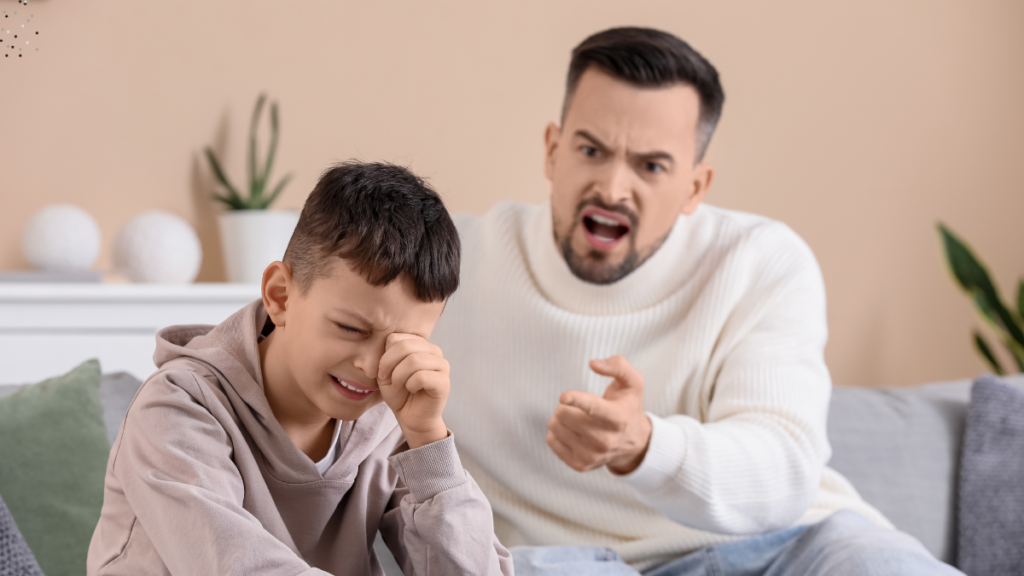
Abusers will often try to isolate their partners from other friends and family.
Whether they “accidentally” make you feel bad about your friends, start a fight right before you’re supposed to hang out with others, or guilt you into staying home—they’re trying to wear down your support system.
If you love someone, you wouldn’t want them to be stuck ONLY with you.
A strong support system is important in any relationship.
10. You feel like you don’t know who you are anymore.
This is my favorite sign.
You look back at who you used to be and realize that person is nowhere to be found.
Maybe you were always confident, but now you feel timid.
You used to love hanging out with your friends—but now you’d rather be alone.
Your partner hasn’t directly ripped your identity away from you.
But they’ve eaten away at it little by little over time.
Some days, you don’t even know who you are WITHOUT them.
That, right there, is abuse.
Their goal was to make you feel dependent on them for your own happiness.
But that’s not how healthy relationships work.
(Re)Building your sense of self will be your greatest tool when it comes to leaving that toxic relationship behind for good.
Conclusion
I know what you’re thinking…
“There’s no way MY partner does all of those things!”
Guess what?
They don’t have to.
Relationships are complex, and every couple fights differently.
But if YOU recognized some of these signs in your past relationship—that’s all that matters.
Your mental health is important.
You deserve to be in relationships that make you feel good about yourself—NOT ones that make you question your reality.
Letting go of the past can be scary.
But once you accept that those things happened, you can begin giving yourself permission to move on.
You deserve better.
You are worth it.
FAQ
Q: What counts as mental abuse in a relationship?
A: Mental abuse (sometimes called psychological abuse) is a pattern of behavior that one person uses to manipulate, control, or degrade their partner emotionally. The 10 signs above are just a few examples of mental abuse.
Q: How do you know if someone is mentally abusing you?
A: Typically, a mentally abusive partner will constantly criticize you, make you afraid to speak your mind, blame you for everything that goes wrong, and/or leave you feeling emotionally drained after spending time with them. But every relationship is different!
Q: Can someone be mentally abused without getting physically abused?
A: Yes! Although physical abuse is often dangerous, mental abuse can be every bit as destructive if it continues for a long period of time.
Q: Can people recover from mental abuse?
A: Absolutely! Recovering from mental abuse usually involves rebuilding your confidence, surrounding yourself with good people, and/or seeking professional help through therapy.
Q: Why do people stay in mentally abusive relationships?
A: Everyone has different reasons for staying. Some people become codependent on their partners emotionally. Others fear the alternative of being single, get guilt-tripped into staying, don’t have the financial means to leave, or simply don’t know that what they’re experiencing is unhealthy.
Save the pin for later